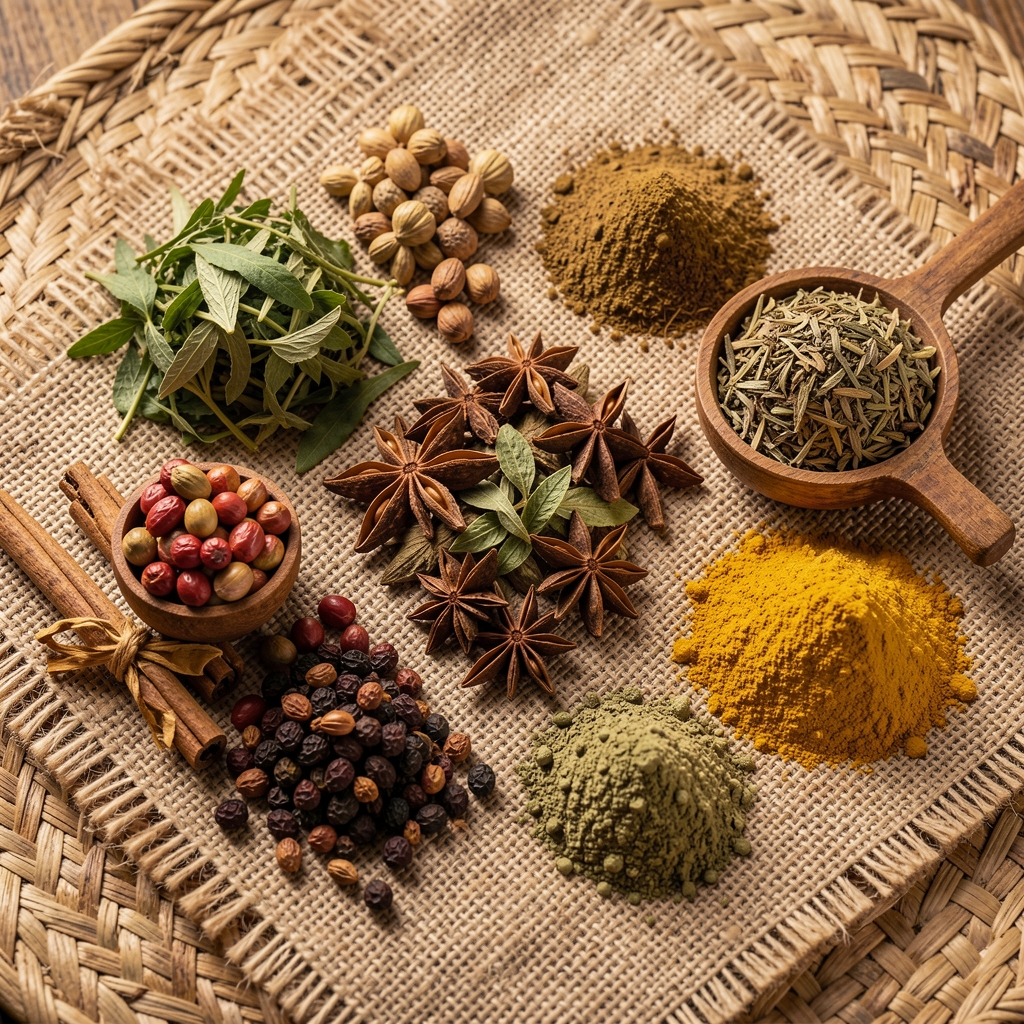
Long before the language of wellness became a commercial category, Malaysian households maintained a practical relationship with the botanical world — herbs and spices woven into daily cooking, preparation rituals, and the informal oral knowledge passed between generations. This editorial overview examines several of those traditional botanical practices and considers how they fit within the everyday wellness routines of active men in contemporary Malaysia.
A Heritage of Botanical Awareness
Malaysia's geographic position at the confluence of South Asian, Chinese, and indigenous Malay botanical traditions has produced one of the most diverse herb and spice cultures in Southeast Asia. For the purposes of this editorial overview, “botanical awareness” refers not to any specific functional claim but to the cultural and practical literacy around plants — knowing which herbs appear in which dishes, understanding their seasonal availability, and carrying forward the knowledge of how they are prepared.
For men who grew up in Malaysian households, this botanical knowledge is often present but rarely made explicit. It appears in the turmeric added to rice, in the ulam served alongside grilled fish, in the teh halia prepared on damp evenings. The wellness dimension of these practices is not announced — it is implicit in the culture of how food is assembled and consumed.
This overview does not claim that any specific plant produces a specific outcome. It examines several plants that appear consistently in traditional Malaysian wellness literature and in the domestic practices observed across the country's diverse communities, and considers how their continued presence in active men's daily routines reflects an ongoing cultural continuity rather than a trend.
Turmeric and the Daily Meal
Turmeric — kunyit in Malay — is perhaps the most visible herb in Malaysian everyday cooking. Its characteristic yellow tone appears in rice preparations, in marinades, in curry pastes built from fresh root. In traditional Malay wellness practice, kunyit has been valued not only as a flavouring agent but as a food that contributes to what practitioners describe as the body's internal balance — a concept that maps, loosely, onto what contemporary nutritional research describes as the presence of polyphenolic compounds in the diet.
For active men, the daily inclusion of turmeric in cooking — not as a supplementary extract but as a fresh-root ingredient in regular meals — reflects a nutritional habit that is both culturally grounded and consistent with evidence-informed approaches to antioxidant-rich diets. Published nutritional research describes curcuminoids, the primary bioactive compounds in turmeric, as associated with antioxidant activity in the diet; their presence in everyday Malaysian cooking represents one of the more naturally integrated applications of this awareness.
The editorial observation here is practical: turmeric in Malaysian cooking is not a wellness supplement — it is a staple ingredient consumed in meaningful quantities through regular meals. This cultural integration, rather than isolated supplementation, is the aspect most relevant to a discussion of everyday wellness habits.
“The most durable nutritional practices are rarely separate from daily cooking — they are baked into it, layered into the paste, ground into the rice, steeped in the evening cup.”
— Marcus Lim, Gralvent Notebook
Ulam: The Practice of Raw Herb Eating
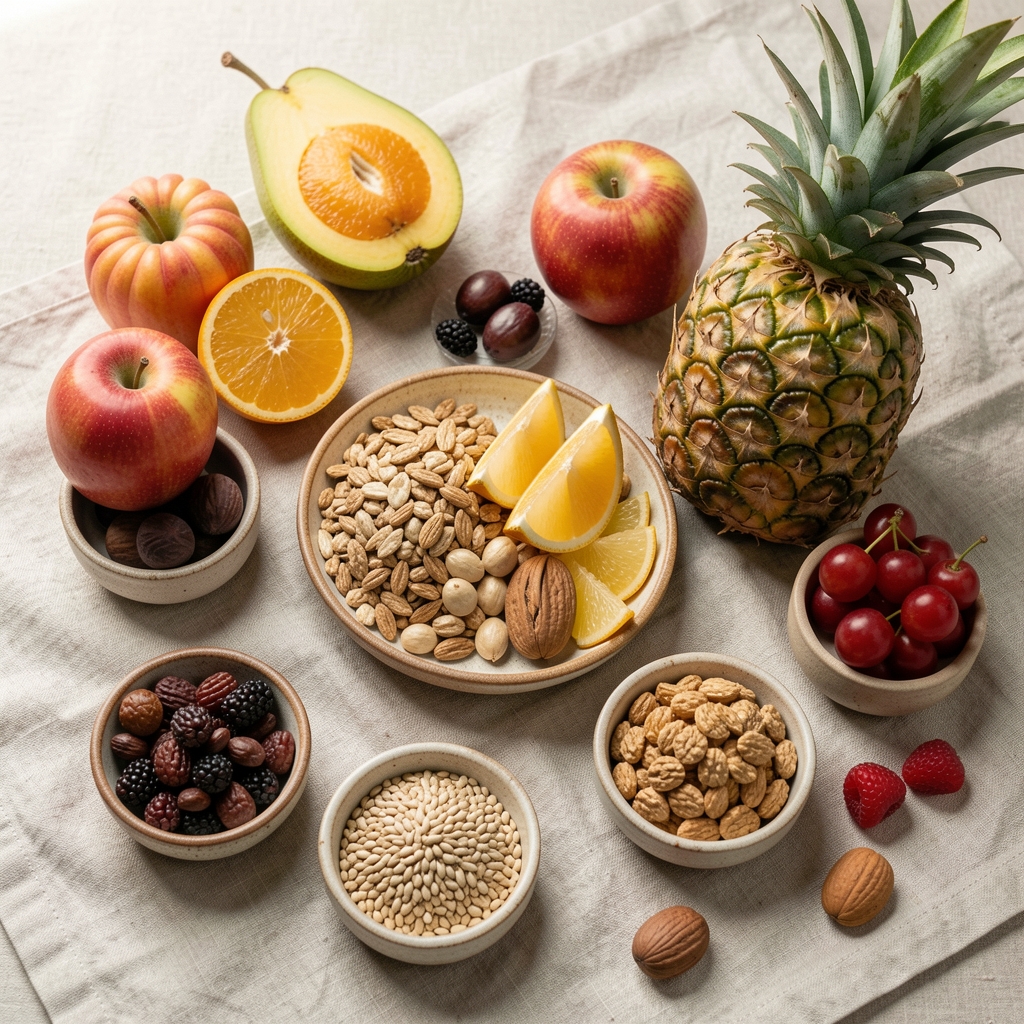
Ulam — the Malay practice of eating a selection of raw herbs, leaves, and young shoots alongside a main meal — represents one of the most nutritionally distinctive aspects of traditional Malaysian food culture. The selection varies by region and season but may include pegaga (Centella asiatica), selom, daun kesom, or wild fern tips. These are eaten fresh, without cooking, and often with a side of sambal as a dipping accompaniment.
For active men, ulam represents an accessible and culturally embedded way to introduce nutritional variety into daily meals — particularly the variety associated with fresh, minimally processed plant material. Published nutritional research consistently identifies diets rich in diverse plant foods as associated with positive markers of physical wellbeing. The ulam tradition achieves this not through supplementation but through the cultural habit of including raw plant material as a standard meal component.
The editorial observation is that ulam, as a practice, is under-documented in contemporary men's wellness writing. Much wellness media focuses on introduced superfoods or supplementary protocols — while one of the most nutritionally diverse plant practices in Southeast Asia continues to be served quietly in Malaysian warung restaurants, home kitchens, and market stalls across the country.
Halia, Serai, and the Warm Spice Tradition
Ginger (halia) and lemongrass (serai) occupy central positions in Malaysian cooking and are among the most frequently observed ingredients in traditional wellness preparations. Ginger root appears in teh halia — the classic ginger tea served at Malaysian kopitiam establishments — and as a cooking ingredient across Malay, Chinese, and Indian-influenced dishes. Lemongrass features prominently in curries, soups, and the aromatic bases of countless Malaysian preparations.
In traditional Malay wellness practice, halia is associated with warmth — a concept that maps onto what nutritional researchers identify as the presence of gingerol and shogaol compounds, which have been studied in the context of digestive comfort and recovery awareness. For active men, ginger's role in post-exercise recovery awareness and digestive ease has attracted research attention; its daily presence in Malaysian cuisine means that many active men consume it routinely without conscious supplementation.
The editorial point is that the warm spice tradition in Malaysian cooking — halia, serai, lengkuas, kunyit — represents a naturally occurring nutritional variety that active men in Malaysia have consistent, culturally embedded access to. This access is meaningful from a dietary diversity standpoint without requiring any specific wellness framework to be layered on top of it.
Observations for the Contemporary Practitioner
-
01
Traditional Malaysian botanical practices represent one of Southeast Asia's most diverse herb-integrated food cultures — one that active men in Malaysia have daily access to through regular cooking.
-
02
The ulam tradition — raw herb eating alongside main meals — provides consistent plant diversity in the diet without supplementary frameworks or protocols.
-
03
Turmeric, ginger, and lemongrass are present in everyday Malaysian cooking at meaningful quantities — not as isolated additions but as integral flavour and preparation staples.
-
04
The cultural knowledge around these plants is an asset worth preserving — one that younger generations of active Malaysian men may find more practically accessible than introduced wellness protocols.
This editorial overview does not position any of the plants described as substitutes for professional guidance or as individually functional in any specific application. It observes that Malaysia's botanical heritage offers active men a richly diverse, culturally embedded daily nutritional practice — and that the continued engagement with this heritage represents a form of everyday wellness continuity that deserves more editorial attention than it currently receives.